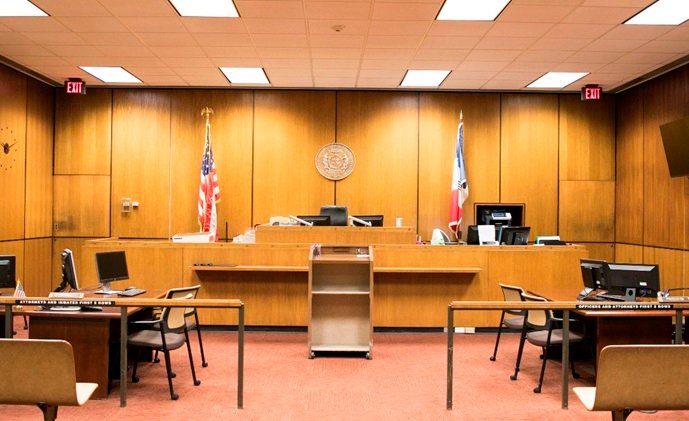
Kansas City Truancy Court: Helping Students Stay in the Classroom
It’s easy to think that missing a day of school is no big deal. A pattern of missed days can be much more concerning. There are various reasons students skip class. Some have family problems, some health challenges, some bullying, some transit trouble, some learning struggles. When students are out of school, the work stacks up. The student may be less close to teachers and peers as well. That’s where Kansas City’s truancy initiatives can matter. The point is not just to count the days lost. It’s about figuring out why the student isn’t in class. For many families, early support can mean a school concern does not have to end up in court.
The Importance of Regular School Attendance
School attendance is about more than just grades. Students who are not in class lose tests, lessons, group work and important conversations with teachers. Every day you miss, and it is harder to catch up. And then there’s a social aspect. They could feel left out if students aren’t with their peers. That break might make a return to school seem even more difficult as time goes on. Under Missouri law, children within the obligatory attendance age must receive regular academic instruction unless in specified circumstances. (Missouri Statutes) So attendance is not just a school rule. It can create legal duties for parents and guardians.
A Missed Day Doesn’t Tell the Whole Story
Here’s the thing: absence numbers don’t explain everything. A student may miss school because the family lacks a reliable ride. Another child may avoid school because of bullying. Some students struggle with schoolwork and become afraid of falling further behind. Others face problems at home that adults at school never see. That’s why the first question should be simple:
What is keeping this student out of school?
Finding that answer can change the whole response.
Schools Can Step In Early
Schools are often the first place where an attendance pattern becomes clear. Teachers and school staff can track absences and contact parents when concerns arise. They can also meet with the student and family. The response may include:
- Reviewing the student’s attendance record
- Talking with the student privately
- Contacting parents or guardians
- Creating attendance goals
- Offering school-based support
- Connecting families with community services
- Helping the student catch up on missed work
The right plan depends on the reason behind the absences. A student who needs tutoring needs a different response from one facing bullying. That sounds obvious, but it’s easy to miss when everyone focuses only on the attendance number.
Parents have a key role to play
Parents and guardians can help before truancy becomes a problem. First ask for the whole attendance record for school. Verify which absences were marked excused and which were not. Save copies of school correspondence and emails. Keep medical notes or other documentation relating to days missed. Then talk to your youngster. Ask what makes school difficult. Listen before you lecture. Sometimes the answer is an uncomfortable one, but it’s better to know it than guess. The parent could believe the child is just refusing school. The child can be experiencing fear, worry or embarrassment. This distinction makes a difference.
What Happens if Attendance Problems Continue?
Continued absence without an acceptable justification can lead to additional measures by the schools. A family may be sent formal notices. School staff can request meetings or set up an attendance strategy. If the problem persists, it could end up in court. Certain infractions of the compulsory attendance laws by a responsible parent, guardian or other person are a class C misdemeanor under Missouri law. (Statutes of Missouri.) That does not mean that every attendance concern is a criminal matter. Facts are what matter. So does the excuse with every absence.
Truancy Court Can Bring People Together
A court case can feel intimidating. Still, it can create a place where the problem gets discussed directly. Parents, students, school staff, and court officials may all have a role. The court can review the attendance history and consider what steps may help the student return to school. That might involve attendance goals, school meetings, counseling, or other support. The exact process can vary by case and court. The key point is simple: the student needs a path back to class.
Accountability and Support Can Work Together
Some people see support and accountability as opposites. They aren’t. A parent can be held responsible for attendance while the student receives help with the problem behind the absences. Think of it like fixing a flat tire. Telling someone to keep driving won’t solve much. The tire still needs repair. The same idea applies here. If transportation is the issue, address transportation. If bullying is the issue, address safety. If schoolwork is the issue, offer academic help. Accountability works better when it connects with a real solution.
Mental Health May Be Part of the Picture
Some students struggle with mental or behavioral health concerns that affect school attendance. Missouri law includes an exception for certain absences tied to mental or behavioral health. Proper documentation from a qualified licensed mental health professional is required. Parents should speak with the school about its attendance process and documentation rules. If court involvement has already begun, legal advice can help a parent understand the situation. Don’t guess about legal requirements. Get clear answers.
Kansas City Specialty Courts Take a Focused Approach
Kansas City has specialty court programs that focus on specific needs. Learn more about Kansas City Specialty Courts to see how these programs can bring focused support and accountability into court matters. Specialty courts can look beyond the immediate legal issue. They can consider the causes behind harmful conduct and connect people with services. That approach fits a simple idea. People need accountability, but they also need a fair chance to make better choices.
Beyond the Bench KC Supports Specialty Courts
Beyond the Bench KC promotes awareness and community support for the Specialty Courts’ rehabilitative mission in Kansas City, Missouri. The group supports the belief that justice should address the root causes of harmful behavior. It also promotes paths toward lasting, positive change. That mission connects with the larger purpose of specialty court programs. When people understand why problems happen, they can work toward better answers. For students, that may mean helping them return to school before missed days become a lasting pattern.
Small Changes Can Make a Real Difference
Helping a student stay in school doesn’t always require one huge fix. Sometimes it starts with a morning ride. Sometimes it means a teacher checking in before the first period. Maybe the student needs help with one tough class. Maybe the family needs a better way to communicate with the school. Small steps add up. Parents should stay involved and schools should keep communication open. Students should also have a voice in plans that affect them. No one benefits when a child keeps missing class without anyone asking why.
What to do when absences pile up
Get a jump on it . Get the attendance record and check it carefully. Find out what absences the school considers unexcused. Discuss with school staff. Then talk to your youngster. If you get an official notice from the school, don’t ignore it. Read everything carefully and preserve a copy. If you get a notification from court, take the date carefully. Consider speaking with a Missouri attorney who can walk you through the case and your legal obligations. If you get help early you won’t be confused later.
FAQ
1. What is a Truant in Kansas City, Mo?
Truancy is commonly defined as a student’s failure to attend school as required, without a legitimate cause or legal exception. Under Missouri law, children subject to the compulsory attendance requirements must attend school regularly. There may be certain exceptions, and each case should be considered on its own facts.
2. Can parents be in trouble if their child is absent from school too much?
Yes. Certain infractions of obligatory attendance responsibilities are chargeable as a Class C misdemeanor under Missouri law. It will depend on the circumstances , including the reasons for the absences and whether an exception applies . Formal notices should be taken seriously by parents and legal guidance sought if necessary.
3. How can schools assist children who are often absent from class?
Review attendance records, discuss with the student and family and identify challenges to attendance. They may also assist with tutoring, counseling, attendance goals or community resources. The best answer depends on the reason for the absences.
4. Is there a mental health problem at issue in a truancy case?
Yes. Missouri law provides an attendance exception for certain mental and behavioral health issues. The school must have the necessary documents from a trained licensed mental health expert. Families are required to provide those documents as per the school rules.
5. How does Beyond the Bench KC help Kansas City Specialty Courts?
Beyond the Bench KC is dedicated to building awareness and community support for the rehabilitative mission of Specialty Courts in Kansas City, Missouri. Its findings support an approach that addresses the root causes of harmful behavior while holding people accountable. Focused court programs and community support are the key to enduring, meaningful change.
Legal note: This article provides general information about Missouri attendance laws. It isn’t legal advice. School rules and individual cases can differ.